

 See My Latest Article on HelloNation
Why Is the Right Roofing Material So Crucial for Edinburg, TX?
Edinburg, TX experiences a unique combination of intense heat, heavy rain, strong winds, and the potential for hail during severe storms. Roofing isn’t just about good looks; the right material will help protect area homes from these harsh conditions and reduce long-term maintenance. Residents often wonder which options best hold up to demanding weather.
Which Roofing Materials Handle Heat, Wind, and Rain Most Effectively?
Some roofing materials outperform others under this region’s stressors. A handful consistently appear in conversations about durability for local homes:
- Asphalt Shingles
These are common across Edinburg due to their affordability and moderate resistance to the sun and wind. Look for shingles rated for high wind speeds and impact resistance if extreme weather is a concern. While they typically last 15-25 years, their granules can wear out faster in prolonged sunlight or severe hail.
- Metal Roofing
Often made from steel or aluminum, metal roofs reflect solar heat effectively and resist high winds better than many alternatives. Properly installed panels can withstand gusts over 120 mph and last over 40 years. They also shed water quickly, reducing risk from heavy rain and humidity. However, noise during rain and upfront cost may be higher.
- Clay and Concrete Tile
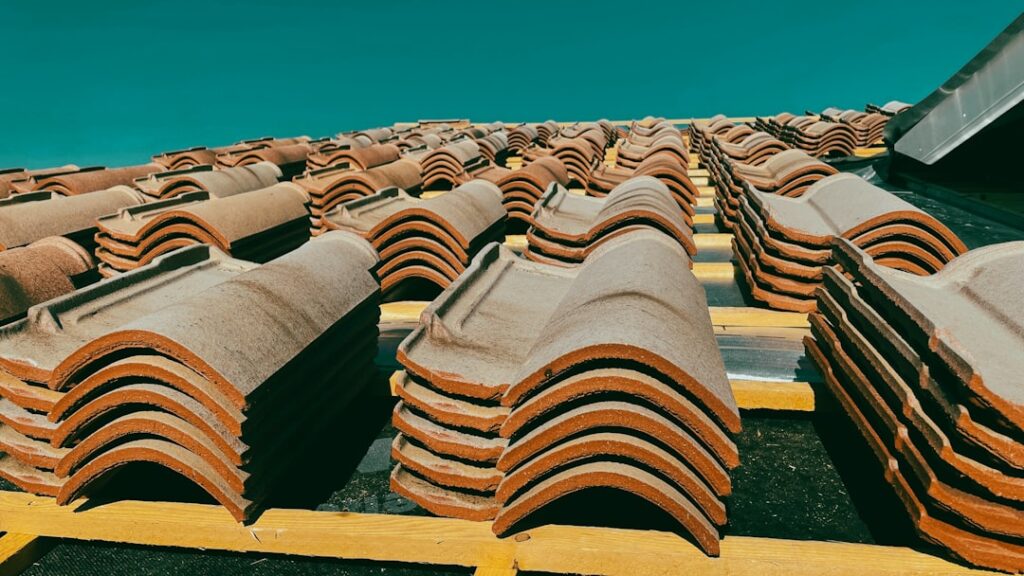
These tiles are favored in hot climates for their ability to absorb and dissipate heat, keeping attic temperatures lower. Concrete tile is especially durable against hail and flying debris. However, both types are heavier than most roofing options, sometimes requiring reinforcement of older structures.
- Impact-Resistant Shingles and Tiles
Some manufacturers offer versions of shingles or tiles that pass UL 2218 Class 4 impact resistance, specifically designed for hail-prone areas. This can be a wise choice for homeowners tired of repeated storm repairs.
What Trade-Offs Do Homeowners Face With Each Material?
No single roofing material is perfect for every situation. Practical considerations include:
- Lifespan:
Asphalt shingles often need replacing sooner than metal or tile. Metal and tile can easily outlast two full shingle installs.
- Weight:
Heavier materials may not be practical for all homes. Extra weight could require additional structural support, especially for clay or concrete tile roofs.
- Cost:
Asphalt is typically the cheapest, but ongoing maintenance or replacement can make it less economical over decades. Metal roofs cost more up front but often need fewer repairs.
- Style:
Some homeowners prefer the look of traditional shingles, while others want the Mediterranean or contemporary style of tile or standing-seam metal.
How Do Roofing Materials Impact Energy Efficiency?
Heat management is a top concern for many Edinburg area households due to long, hot summers. Energy efficiency isn’t only about insulation; the roof makes a significant difference:
- Light-colored or reflective roofs reduce attic temperatures by bouncing more of the sun’s rays, lowering air conditioning use.
- Metal roofs often have reflective coatings for excellent thermal performance.
- Cool roof shingles and tiles are available in lighter shades and special finishes.
Some roofing systems may cost a bit more to install but could lower monthly utility bills in the long run.
Are There Roofing Materials That Handle Both Heavy Rain and Hail?
Residents often need roofs that handle sudden downpours and occasional hail without leaks or major damage:
- Metal panels and impact-rated shingles shed water quickly and resist dents from hailstones.
- Concrete tile is highly resistant to both water absorption and hail impact.
- Proper installation with underlayment and sealed flashing is crucial across all types to prevent leaks—material selection alone can’t fix a poorly installed roof.

What Are Common Missteps When Picking a Roof for Edinburg?
- Assuming “wind-resistant” equals “storm-proof”:
Even materials rated for high winds may fail if not anchored correctly.
- Neglecting the underlayment:
Secondary water barriers and upgraded underlayment can be a strong defense against wind-driven rain.
- Picking by price alone:
The cheapest option often needs more repairs or early replacement.
- Ignoring local rules:
Homeowners in neighborhoods with homeowners’ associations or historic requirements may have material restrictions.
How Can Homeowners Maximize Roof Lifespan and Resilience?
Routine awareness makes a major difference in roof longevity and performance:
- Inspect the roof and attic after major weather events to spot issues early
- Trim nearby trees to reduce wind-driven debris and limit shade-related moisture
- Clean gutters so heavy rain drains away quickly
- Check for loosened shingles, misplaced tiles, or bent metal flashing after strong winds
If major structural or safety concerns arise, such as visible sagging or exposed framing, consulting a qualified building inspector is wise.
What’s the Bottom Line for Local Residents?
Selecting a roofing material with proven performance in heat, wind, rain, and hail is essential for protecting homes and investments. Area households have several choices that meet these needs, each with their own pros and cons. Careful consideration of climate, home design, budget, and energy priorities will help ensure the roof stands up to the demands of living in Edinburg.