

 See My Latest Article on HelloNation
What Are Fire-Resistant Building Materials?
Fire-resistant building materials are designed to slow the spread of flames, resist ignition, and provide valuable time for safe evacuation during a fire. These materials include certain types of stone, masonry, glass, metals, treated wood, and specialized boards, each offering varying degrees of protection based on their makeup and installation.
For households and properties in Edinburg, considering materials that can withstand intense heat and resist burning is especially relevant due to the region’s warm, dry seasons and occasional wildfire risks nearby. Using such materials doesn’t make a structure fireproof, but it can significantly reduce the speed at which fire spreads and the overall damage potential.
Why Does Fire Resistance Matter for Edinburg Homes?
Homes in Edinburg face periodic dry spells, high temperatures, and the possibility of high winds during certain months, all of which can contribute to the potential for house fires or brush fires. Local building codes often require the use of materials with tested fire-resistance ratings for key structural elements.
Choosing fire-resistant options is particularly important in:
- Densely built neighborhoods where fire can jump between buildings
- Areas near open fields or undeveloped lots with dry vegetation
- Households concerned with home insurance requirements related to fire risks
Which Building Materials Are Fire-Resistant?
Several common construction materials are naturally resistant to fire or can be treated to improve their performance:
Brick and Masonry:
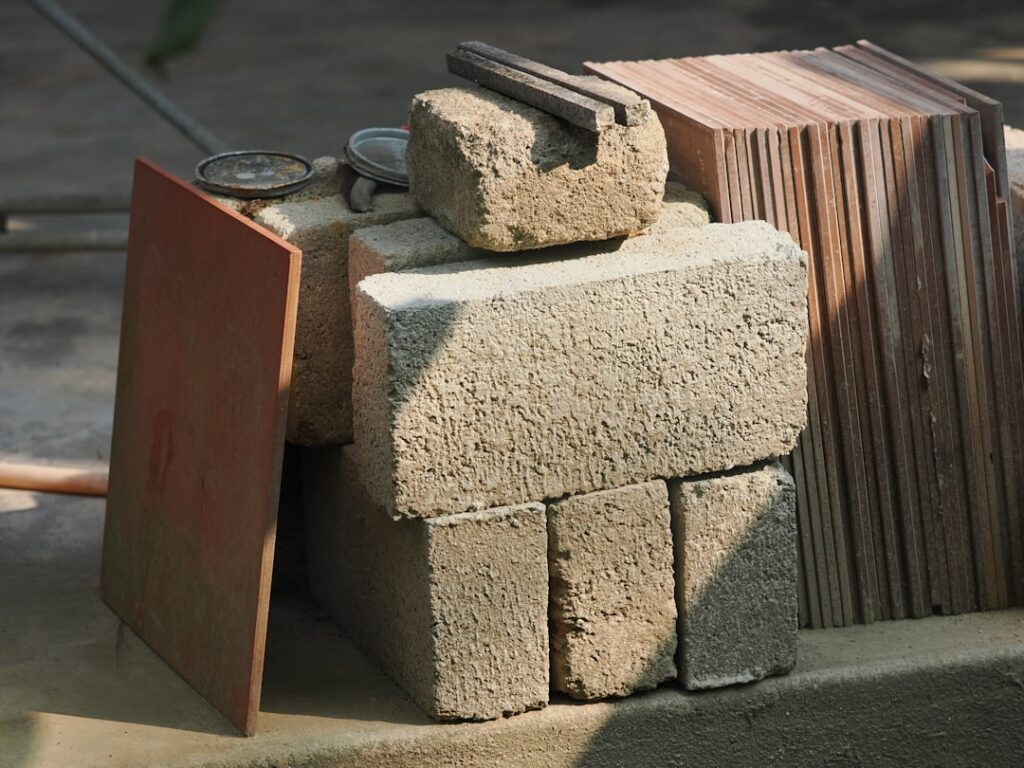
Bricks, concrete blocks, and stone are among the most fire-resistant materials in construction. They do not burn, and their dense composition helps block heat transfer.
Concrete:
Concrete walls and slabs have excellent fire resistance because concrete doesn't ignite and can act as an effective barrier to heat and flames.
Stucco:
Applied as an exterior finish, stucco is made from sand, Portland cement, lime, and water. It forms a durable, noncombustible layer that enhances the fire resistance of exterior walls.
Fire-Rated Gypsum Board:
Special types of drywall (sometimes called "Type X") are manufactured with additives and stronger paper facings to help block heat and flames for longer periods than standard drywall.
Metal:
Steel and aluminum framing or cladding can withstand high temperatures. While metal may warp in extreme heat, it typically does not burn or add fuel to a fire.
Tempered Glass:
This type of glass, often used in windows and doors, can better resist breaking under sudden temperature changes caused by fire. Some glass products are specifically rated for fire resistance.
Treated Wood:
Standard wood is highly combustible, but certain types can be pressure-treated with fire-retardant chemicals. While still potentially vulnerable, treated wood slows ignition and burning.
What Do Fire Ratings Mean?
Fire ratings are used to indicate how long a building material or assembly can withstand fire exposure before failing. Ratings are usually given in hours (such as 1-hour, 2-hour, etc.) and are determined by standard laboratory testing.
For example:
- A 1-hour fire-rated wall will contain a standard fire for at least one hour before a breach occurs.
- Ratings are especially important for walls between residences, garages and living spaces, and around stairwells and exits.
Local building codes in Edinburg often require certain fire ratings for specific parts of a structure, including between attached garages and homes or in multi-family housing.
Are Some Areas of a Home More Important for Fire Resistance?
Yes—some parts of a home benefit most from fire-resistant construction, providing crucial barriers and escape time for occupants:
- Exterior walls: Protect from outside fires or flames spreading between homes.
- Roofs: Embers landing on roofs are a common cause of house fires, making noncombustible or rated roofing materials valuable.
- Doorways and egress paths: Fire-rated doors and protected hallways offer safer escape routes in emergencies.
- Attached garages: Fire-rated drywall and self-closing doors help contain a blaze where vehicles and flammable goods may be stored.

Common Misconceptions About Fire-Resistant Materials
Some residents believe that using a single fire-resistant material makes a home “fireproof.” In reality, fire resistance is about slowing fire and giving people time to respond. Fire can still move through gaps, unprotected attic spaces, or combustible trim if not holistically addressed.
Other frequent misunderstandings:
- Stucco or brick exteriors alone do not protect wood framing behind them unless the entire wall assembly is fire rated.
- Regular glass windows will typically shatter from heat before they ignite.
- Roofing underlayment and ventilated soffits must also be considered, as embers can bypass exterior materials if installation is incomplete.
How Does Local Climate Influence Material Choices?
Edinburg’s hot, dry periods can increase the risk of wildfire and encourage the use of materials that do not ignite easily. During wet seasons, materials must also resist moisture damage, so selecting fire-resistant products that also withstand heat cycles and humidity can benefit long-term durability.
Metal roofing, clay or concrete tiles, and cement-fiber siding are often preferred in the area for their double benefit of fire resistance and weather durability. Homeowners often weigh both fire risk and hail or wind resistance in their material decisions.
How Can Residents Improve Fire Resistance in Existing Homes?
Retrofitting can improve protection, even in older buildings:
- Installing fire-rated doors between garages and living spaces
- Replacing old roofing with noncombustible materials
- Adding or replacing exterior siding with fire-resistant cladding
- Sealing gaps or vents that could allow embers to enter attic spaces
- Upgrading attic insulation with fire-resistant options
Working with local building officials can help homeowners confirm which improvements align with current building codes and typical fire risk in the region.
What Resources Provide Further Information?
Area residents can refer to local building code offices or municipal websites for specific requirements and approved materials. Fire departments may also offer guidance on defensible space—the practice of keeping flammable landscaping or debris away from homes—as a complementary strategy to material choices.