

 See My Latest Article on HelloNation
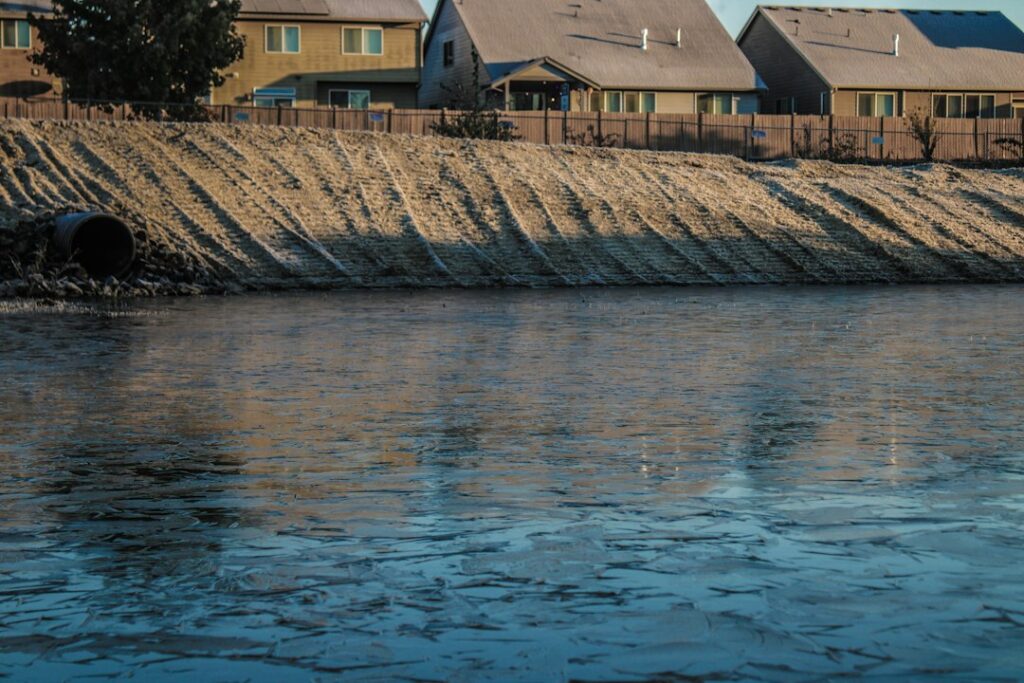
Flood-prone construction requires more than choosing products labeled “water-resistant.” Materials must tolerate prolonged wetting, contamination, humidity, drying, and repeated exposure without losing structural strength or creating hidden mold and corrosion problems. In Edinburg, TX, heavy rain, tropical weather, drainage limitations, and low-lying sites can make material selection especially important for homes, additions, garages, and accessory structures.
The correct materials depend on the expected flood depth, water velocity, building location, and whether the work is above or below the applicable Base Flood Elevation (BFE). Local floodplain requirements may also apply to new construction, additions, substantial repairs, and changes to existing buildings. Edinburg’s Unified Development Code requires permits and compliance with flood-damage-prevention standards for development in special flood hazard areas. ([online.encodeplus.com](https://online.encodeplus.com/regs/edinburg-tx-udc-update/doc-viewer.aspx?secid=6493&utm_source=openai))
Which materials generally perform best during flooding?
Concrete, masonry, closed-cell insulation, ceramic or porcelain tile, and corrosion-resistant metal components are commonly better choices than porous interior finishes. These materials are less likely to absorb contaminated water and are easier to clean and dry after a flood.
Useful options may include:
- Reinforced concrete slabs and concrete foundation components
- Concrete masonry units, when properly detailed and finished
- Ceramic or porcelain tile with cement-based setting materials
- Closed-cell rigid foam insulation
- Fiber-cement exterior siding installed according to its requirements
- Pressure-treated or naturally durable structural wood where permitted
- Galvanized, stainless steel, or other corrosion-resistant fasteners
- PVC or other approved nonabsorbent components for selected plumbing applications
- Cement board in locations where a backer material is needed
FEMA’s current flood-damage-resistant-material guidance separates structural and finish materials and emphasizes that fasteners and connectors must also resist flood damage. A material that survives water exposure is not enough if the screws, anchors, adhesives, or joints corrode or fail. ([fema.gov](https://www.fema.gov/sites/default/files/documents/fema_tb_2_flood_damage-resistant_materials_requirements_01-22-2025.pdf?utm_source=openai))
What should be used for floors?
Tile over a concrete slab is usually easier to clean and restore than carpet, laminate, or hardwood after floodwater enters a building. Porcelain and ceramic tile themselves are relatively nonabsorbent, but the complete floor assembly matters.
Flood-prone floor assemblies should avoid:
- Carpet and carpet padding
- Particleboard or fiberboard underlayment
- Floating laminate systems with absorbent cores
- Unsealed wood flooring installed directly over vulnerable subfloors
- Adhesives that soften or release after prolonged wetting
Concrete floors should be inspected for cracking, settlement, vapor issues, and contamination after a flood. Tile grout and joints may still require cleaning or replacement, particularly if floodwater contained sewage, chemicals, or sediment.
For elevated or enclosed areas below the living floor, the space should generally remain unfinished and limited to uses such as parking, storage, or access where permitted. FEMA identifies unfinished, flood-resistant construction as the appropriate approach for many areas below the BFE. ([fema.gov](https://www.fema.gov/sites/default/files/documents/fema_p-2181-fact-sheet-3-0-buildings.pdf?utm_source=openai))
Which wall materials are more flood-tolerant?
Concrete masonry, poured concrete, and properly installed cement-based products generally handle wet conditions better than gypsum board, MDF trim, or untreated wood panels. If interior walls may be exposed to floodwater, removable wall sections or flood-resistant assemblies can reduce repair work.
Materials that commonly create problems include:
- Standard gypsum drywall
- MDF or particleboard cabinets
- Paper-faced insulation products
- Wood fiber panels
- Absorbent acoustic panels
- Conventional batt insulation that remains wet inside wall cavities
Closed-cell rigid foam is often more suitable than absorbent insulation in flood-exposed areas, although installation details, fire requirements, and local code provisions still apply. Interior wall cavities should not be sealed in a way that traps moisture after flooding.
Flood-resistant materials do not make an enclosed room safe for habitation below the flood elevation. Walls, openings, utilities, and the building’s structural system must be designed together to resist buoyancy, water pressure, debris, and lateral movement.
Is pressure-treated wood enough?
Pressure-treated wood can resist decay and insect damage, but it should not automatically be treated as flood-proof. Treatment does not prevent all swelling, warping, contamination, fastener corrosion, or loss of connection strength.
Where wood is used near expected flood exposure:
- Use the treatment level and species required for the application.
- Protect cut ends and drilled areas as specified by the product requirements.
- Use compatible, corrosion-resistant fasteners and connectors.
- Avoid relying on wood-based panels that can delaminate or lose strength when saturated.
- Allow assemblies to drain and dry instead of trapping water.

Structural wood exposed to moving water may also face impact from floating debris. Material selection cannot compensate for inadequate anchoring, bracing, elevation, or foundation design.
What materials should be avoided below the BFE?
Standard interior finishes are often unsuitable below the BFE because they absorb water or conceal moisture. Common examples include drywall, carpet, fiberglass batt insulation, untreated plywood, particleboard, MDF, and many conventional wood trim products.
The BFE is not the only consideration. A local requirement may establish a higher flood protection elevation or require additional freeboard. Edinburg’s development standards and floodplain provisions should be checked before selecting materials for construction or repair. ([cityofedinburg.com](https://www.cityofedinburg.com/departments/engineering/standards.php?utm_source=openai))
A frequent misconception is that waterproof paint makes drywall flood-resistant. Paint may slow surface wetting, but it does not prevent water from entering through seams, edges, fastener holes, outlets, or the paper facing. Once saturated, drywall can lose strength and support mold growth.
How should utilities and metal components be protected?
Flood damage often affects mechanical and electrical systems before the main building structure fails. Water heaters, electrical panels, air-conditioning equipment, furnaces, controls, and similar components should be located above the required flood elevation whenever feasible.
For components that must remain in areas exposed to flooding, the design may require:
- Watertight or flood-resistant enclosures
- Corrosion-resistant wiring methods and connectors
- Elevated outlets, controls, and service equipment
- Backflow prevention for plumbing systems
- Proper anchoring of tanks and equipment
- Materials compatible with wet locations and local electrical requirements
Metal components can corrode rapidly after contact with contaminated water, even if they appear intact after drying. Galvanized or stainless components may improve durability, but they are not substitutes for proper elevation and code-compliant installation.
Do flood-resistant materials eliminate the need for elevation?
No. Elevation is generally more protective than relying on materials alone. FEMA guidance requires flood-damage-resistant structural and finish materials below the BFE in applicable special flood hazard areas, but it also addresses elevation, foundation design, openings, and limitations on below-floor use. ([fema.gov](https://www.fema.gov/sites/default/files/documents/fema_tb_2_flood_damage-resistant_materials_requirements_01-22-2025.pdf?utm_source=openai))
For residential buildings, dry floodproofing below the BFE is generally not an alternative to elevation under National Flood Insurance Program rules, except in limited circumstances. Dry floodproofing is also not permitted in coastal high-hazard areas. ([fema.gov](https://www.fema.gov/es/glossary/floodproofing?utm_source=openai))
Materials should therefore be viewed as one part of a broader flood-resistant design that may include elevated floors, open foundations, flood openings, drainage paths, protected utilities, and secure anchoring.
What should homeowners check before replacing materials?
Before repairing or remodeling a flood-prone area, determine:
- Whether the property is in a mapped special flood hazard area
- The site’s BFE and any locally required freeboard
- Whether the work qualifies as a substantial improvement or substantial repair
- Whether the proposed room is below the required flood elevation
- Whether the material has been exposed to sewage, chemicals, or prolonged moisture
- Whether permits or technical certifications are required
A material that looks dry may still contain moisture behind walls, beneath flooring, or around insulation. Floodwater can also leave contaminants that make porous materials unsuitable for reuse. Structural movement, foundation damage, electrical hazards, and suspected sewage contamination require qualified evaluation before reconstruction proceeds.
For area households, the most durable strategy is usually straightforward: keep living spaces and utilities above expected flood levels, use concrete and other nonabsorbent materials where exposure is possible, avoid porous finishes below the BFE, and treat fasteners, joints, insulation, and hidden cavities as part of the material system rather than separate details.