

 See My Latest Article on HelloNation
Why Is Mold a Risk in New Construction?
Even brand new homes and buildings in Edinburg, TX can face mold growth, especially given the area’s hot, humid climate. Mold spores are nearly everywhere. What causes trouble is moisture lingering where it doesn’t belong—often during or soon after construction, when some materials are more exposed. Addressing the problem before it starts is far easier than removing mold later, so understanding local risks is essential.
What Makes the Edinburg Climate Challenging for New Builds?
Edinburg’s climate features long, humid summers and occasional intense rainfall. High humidity means that construction sites are vulnerable to moisture intrusion if building materials are left exposed. Materials like plywood, drywall, and insulation can absorb this dampness, creating conditions for mold to establish.
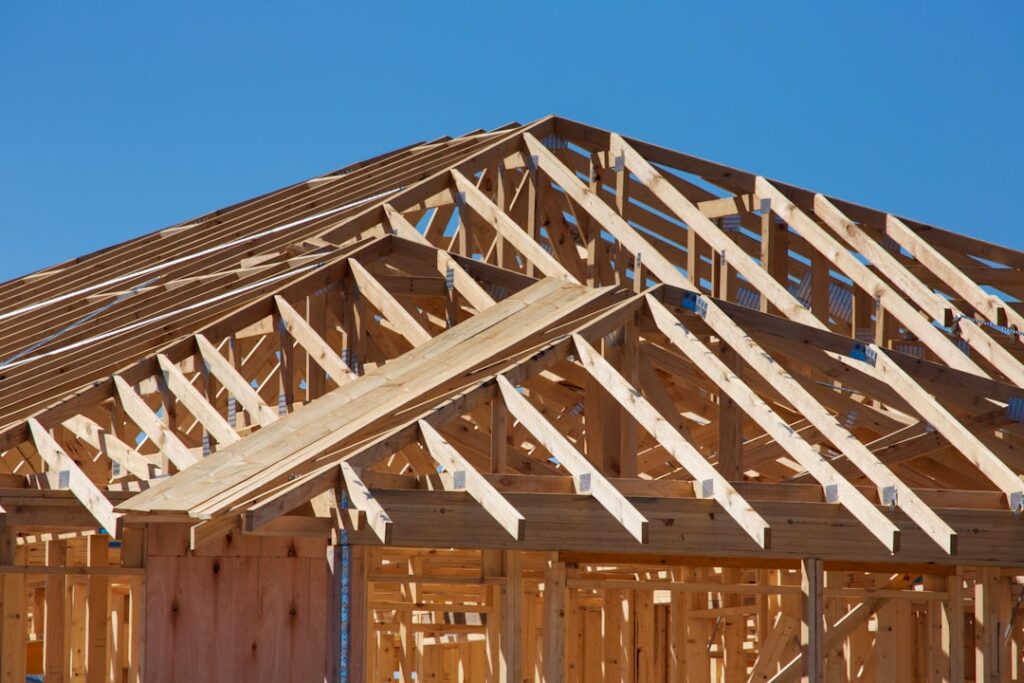
Local construction frequently involves slab foundations and wood framing—both of which can trap moisture if not carefully managed. Temporary weather delays may extend the period that framing or interior materials go uncovered, heightening the risk.
How Can Builders Manage Moisture During Construction?
Keeping building materials dry is the cornerstone of mold prevention. In Edinburg, builders typically:
- Schedule stages of construction to minimize time that framing and subfloors are exposed to outdoor humidity or rain.
- Store materials off the ground and covered with waterproof tarps. Allowing materials to dry thoroughly before installation is essential if they do get wet.
- Install roofing, windows, and exterior sheathing early in the process to “dry-in” the home, reducing how much humid air reaches the interior.
- Use construction dehumidifiers or ventilation fans if high humidity or rain has infiltrated a site.
If moisture is discovered in materials (such as warped boards or damp insulation), it should be replaced, not simply covered up. Hidden dampness is a frequent cause of future mold growth.
What Building Materials Reduce Mold Risk?
Some products are more resilient to mold than others. While traditional materials are still widely used, options now exist for greater protection:
- Mold-resistant drywall and cement board for bathrooms, kitchens, and laundry areas
- Insulation products that won’t easily support growth
- Water-resistant paints or primer for interior surfaces
- Pressure-treated or sealed wood framing
In certain locations—such as attics, crawl spaces, or slab edges—choosing these more robust materials adds a layer of defense against the area’s high humidity. Still, preventing water intrusion matters more than any special product.
What Construction Practices Are Most Overlooked?
A few practical steps are sometimes skipped during building, but they make a big difference:
- Checking that the ground slopes away from the foundation, so rainwater doesn’t pool around the structure
- Sealing all exterior wall penetrations (like piping or vents) with caulk or foam to block humid outdoor air
- Installing vapor barriers beneath slab foundations and behind siding to create an extra layer against moisture
- Adding bathroom and kitchen exhaust fans vented all the way outdoors—never into attics

Homeowners occasionally assume new construction is immune to these details, but skipping them can allow mold to take hold within months.
How Does Local Living Habits Impact New Construction Mold?
Edinburg’s climate means most homes use air conditioning heavily—sometimes year-round. While this helps, families sometimes hesitate to use bathroom fans or close bedroom doors during cooling, allowing trapped humid air to collect. In new homes, encourage everyone to run fans during and after showers, and avoid rugs or stored items pressed tightly against exterior walls where dampness might linger.
New builds that sit empty for long periods after completion (awaiting move-in) should be checked for leaks or dampness before families take possession. Doors and windows should be left open occasionally to air out interiors during this stage if possible.
What Should Local Homeowners Look For After Moving In?
Even with careful planning, small leaks or ventilation issues can arise in the months after construction. Early warning signs of trouble include:
- Musty odors, especially after rain or when first running air conditioning
- Water stains, discoloration, or bubbling paint along baseboards and around windows
- Condensation inside windows or visible moisture on bathroom tiles hours after use
Addressing these problems immediately—by drying any wet area, improving ventilation, or fixing leaks—will prevent persistent mold issues from establishing in a new home.
Are Local Regulations or Codes Relevant?
The city uses building codes that set broad standards for moisture barriers, ventilation, and site drainage. While these codes offer a baseline, builders and homeowners benefit by exceeding minimums, especially given the area’s particular moisture challenges. Following manufacturer instructions for all building materials is crucial, and periodic inspection (before and after move-in) is highly recommended.
Being proactive with every phase—from material choice through daily living habits—offers Edinburg residents the best chance of avoiding the frustrations of mold in new homes.