

 See My Latest Article on HelloNation
How Do Natural Stone and Manufactured Stone Differ?
Natural stone is quarried directly from the earth, while manufactured stone is made from concrete and molded to resemble real stone. These core differences affect both the appearance and performance of each material. In Edinburg, TX, homeowners and builders often choose between these options for exterior cladding, garden features, fireplaces, and accent walls.
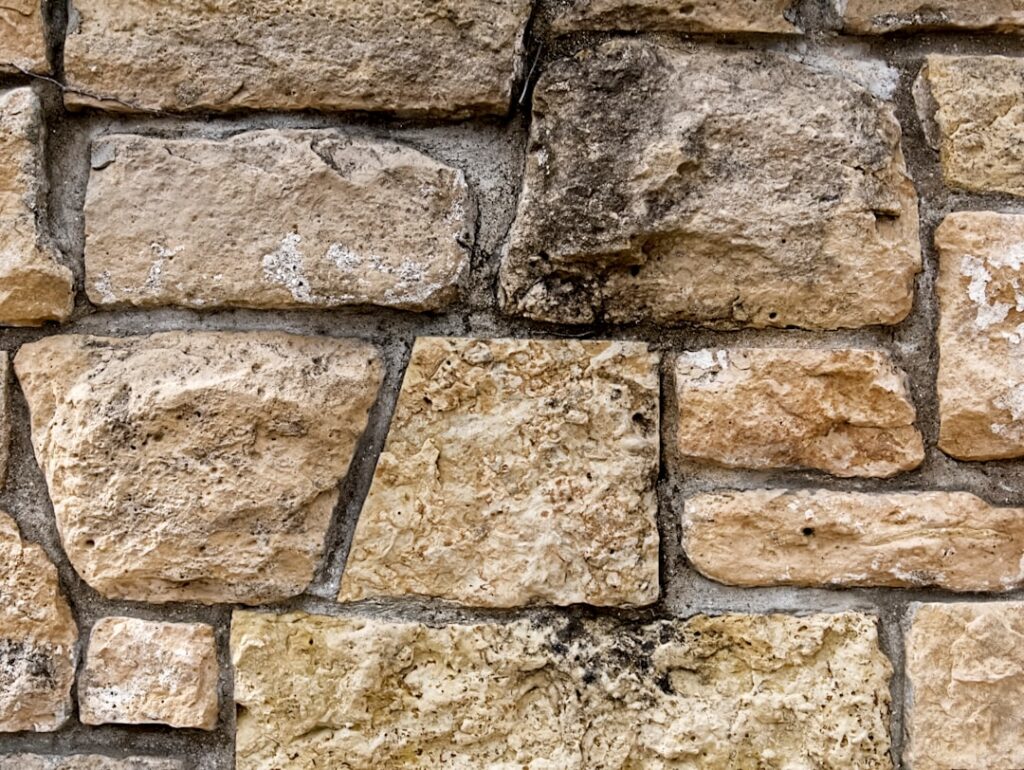
Natural stone typically includes materials like limestone, sandstone, and granite. Each piece is unique, with subtle color and texture variations formed over thousands of years. Manufactured stone, sometimes called stone veneer, is designed to mimic these natural patterns and colors using specialized molds and colorants.
Which Option Suits the Local Climate and Soil Best?
Natural stone generally handles high heat, sunlight, and seasonal rain without fading or deteriorating. In Edinburg’s hot, semi-arid climate, this durability can make a difference in outdoor applications where intense sun is common. Limestone and sandstone are both popular locally because they resist UV exposure and remain cool to the touch even during summer.
Manufactured stone is engineered to be weather-resistant, but it may fade or wear faster if exposed to direct sun over many years. For shaded areas, decorative facades, or indoor use, manufactured stone can hold up very well. However, in constantly wet locations or for ground-level installs, natural stone’s resistance to moisture and heat expansion may lead to longer-lasting results.
How Easy Are These Materials to Work With?
Manufactured stone is lighter and often simpler to install. Its consistent shapes and sizes help speed up projects, particularly for DIY installations or when working on walls that can’t bear as much weight. For example, when adding a decorative wall to a modern stucco home, manufactured stone often minimizes structural concerns.
Natural stone is considerably heavier. Installing it may require stronger supports or professional equipment, especially for larger projects or full walls. Custom cutting and blending stones for visual balance also require more experience. While this can affect labor costs and timeline, some local residents value the time-tested craftsmanship and substantial feel.
What Do They Really Look and Feel Like?
Natural stone offers unmatched variation—no two stones look exactly alike. This organic aesthetic is a primary draw for those who want an authentic, timeless look in patios, entryways, or garden walls. Many area homes built decades ago feature thick limestone walls that naturally developed attractive patinas over time.
Manufactured stone offers controlled consistency. Modern products use molds based on real stones, creating a remarkably realistic look when installed correctly. From a distance, some manufactured stone veneers can be hard to distinguish from quarried stone. Up close, slight repetition can sometimes be detected in patterns, but newer products are increasingly refined.
What About Cost Difference Over Time?
Manufactured stone is usually less expensive than natural stone for both material and installation. Reduced weight leads to lower shipping costs, and less labor is required for most projects. This makes manufactured stone a common choice for homeowners seeking visual appeal at a lower up-front investment.
Natural stone costs more up front but may require less maintenance and fewer repairs long-term. Its resistance to fading, warping, or chipping can make it cost-effective for major, permanent projects. In Edinburg, where exterior conditions are demanding, some households find that a higher initial cost pays off over decades.
Are There Common Misconceptions?
Some believe manufactured stone is not durable enough for exterior use, but when properly installed and maintained, many products last for decades. However, improper installation can lead to problems such as moisture intrusion behind the veneer or premature color fading.
Another misconception is that natural stone is always better for the environment. While it is a natural product, quarrying and transporting large amounts of stone do have an environmental impact. Manufactured stone uses energy and resources in production, but often incorporates recycled aggregates.
What Maintenance Do They Require?

Neither option is maintenance-free, but the type and frequency of upkeep differ:
- Natural stone: Generally requires basic cleaning and periodic sealing, especially in exposed areas or high-traffic zones.
- Manufactured stone: Needs occasional washing and may be resealed if used outdoors. Caulking around seams or joints should be monitored for water-tightness, especially during heavy rainfall.
In Edinburg, frequent dust and sunlight can mean regular rinsing for both materials to preserve their best appearance.
Which One Works Best for Common Local Projects?
Natural stone is often selected for high-profile exteriors, entry columns, or as a major visual statement in landscape design—places where strength, authenticity, and minimal long-term changes are valued. Its substantial weight and unique character often fit the broad architectural styles found in area homes.
Manufactured stone is ideal for accent walls, small garden features, or interior projects where budget, ease of installation, and a wide selection of styles matter most. Its lighter profile also lends itself to creative applications such as fireplace surrounds or kitchen backsplashes.
What Should Residents Consider Before Choosing?
Think about the location of the project, desired appearance, long-term durability, and overall budget. Outdoor projects exposed to the sun and rain may justify the higher investment in natural stone, while interior updates or decorative facades could benefit from the practicality of manufactured stone.
Both materials can enhance property value when chosen and installed thoughtfully. Area residents often balance the traditional appeal of quarried stone with the versatile and affordable advantages of modern stone veneer.