

 See My Latest Article on HelloNation
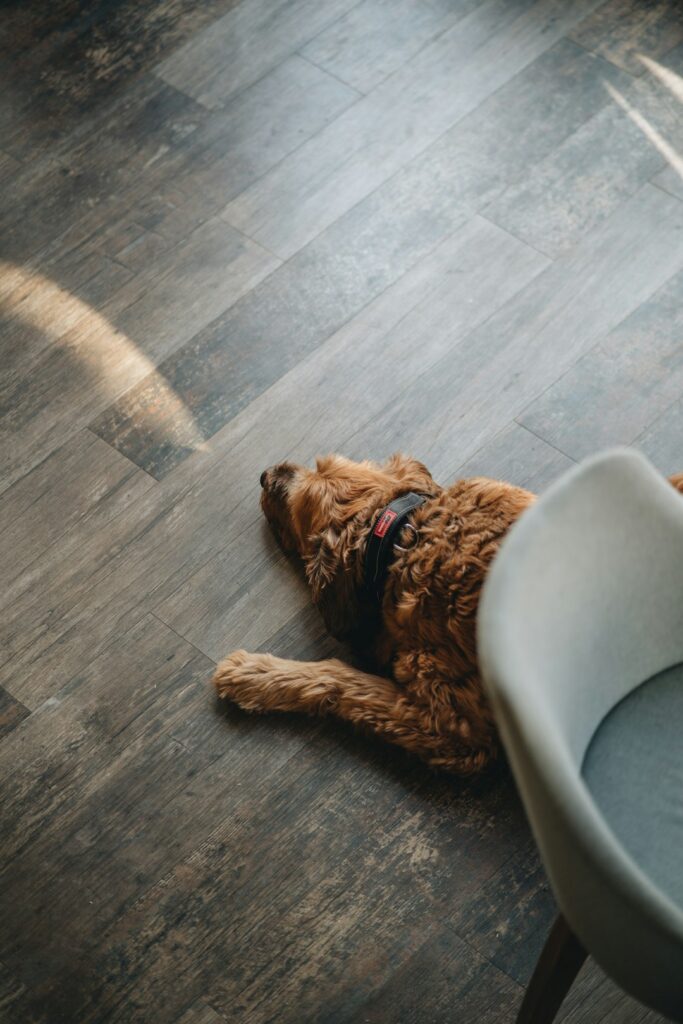
What makes flooring pet-friendly?
Pet-friendly flooring should handle claws, spills, tracked-in moisture, accidents, and frequent cleaning without becoming slippery, damaged, or difficult to maintain. The right choice depends on the animals in the household, the home’s ventilation and entry areas, and how much daily wear the floor receives.
A flooring surface that looks attractive in a sample may not perform well under real conditions. Pet owners should evaluate:
- Resistance to scratches and stains
- Traction for dogs and cats
- Moisture tolerance
- Ease of cleaning
- Noise and comfort
- Repairability if damage occurs
- Compatibility with the home’s subfloor
In Edinburg, TX, warm weather, seasonal humidity, dust, and frequent indoor-outdoor activity can add to the amount of grit and moisture brought into a home. Entryways, kitchens, hallways, and areas near pet bowls usually experience the most stress.
Is hard flooring better than carpet for pets?
Hard flooring is often easier to clean after accidents, but it is not automatically better for every pet or household. Carpet can provide warmth, comfort, and traction, while hard surfaces generally offer better stain control and simpler routine cleaning.
Carpet may work well in bedrooms or quieter areas when it has:
- A low, dense pile
- Stain-resistant fibers
- A moisture-resistant backing
- Fewer seams
- Regular vacuuming and prompt spot treatment
Thick, shaggy carpet can trap hair, dust, dander, and odors. It may also be difficult to clean fully after repeated accidents. For households with older pets or animals prone to incontinence, carpet requires especially careful maintenance.
Hard flooring is usually more practical in high-traffic spaces, but rugs or runners may be needed to make the surface more comfortable and less slippery.
Which flooring types are usually practical?
Several flooring categories can work well, but each has limitations.
Porcelain and ceramic tile
Tile is highly resistant to moisture and is generally easy to clean. Porcelain tile is especially dense and suitable for areas where water, mud, or accidents are common. It can be a practical choice for kitchens, entry zones, laundry areas, and other spaces exposed to frequent messes.
The main concerns are hardness and temperature. Tile can feel cold and unforgiving underfoot, and a fall may be more serious for an older animal. Area rugs with secure backing can improve comfort and traction, but they must be cleaned regularly.
Grout also deserves attention. Light-colored grout may show dirt quickly, while porous or poorly sealed grout can absorb stains. Grout maintenance is part of the overall flooring decision.
Luxury vinyl flooring
Luxury vinyl is often selected for pet areas because it is comfortable compared with tile, available in textured finishes, and easier to clean than many natural materials. Some products are water-resistant or waterproof, but those terms do not mean every installation is protected from moisture damage.
Seams, transitions, and the subfloor still matter. Standing water or repeated accidents can create problems if moisture reaches the edges or remains beneath the flooring. Scratches may also appear from sharp claws, furniture movement, or trapped grit.
A textured matte finish can provide better traction than a very smooth surface. Samples should be examined under normal lighting because glossy finishes may make hair, dust, and paw marks more visible.
Laminate flooring
Laminate can resist everyday wear and may provide a wood-like appearance at a lower material cost than some alternatives. However, moisture protection varies widely. Spills that remain in place, pet accidents, or damp cleaning methods can cause swelling at seams or edges.
Laminate may be appropriate in dry, well-maintained rooms, but it requires prompt cleanup. It is less forgiving when moisture repeatedly reaches the core of the material.
Engineered wood and solid wood
Wood flooring can be durable, repairable, and visually adaptable, but it requires realistic expectations. Pet nails may leave scratches, especially in softer wood species or homes where grit is regularly tracked indoors.
A durable finish can reduce surface damage, but it does not make wood waterproof. Water bowls should sit on a spill-resistant mat, and accidents should be cleaned quickly. Wider visible grain, medium tones, and lower-sheen finishes may make minor scratches less noticeable than dark, glossy surfaces.
Concrete and sealed mineral surfaces
Sealed concrete can provide excellent moisture resistance and durability. It may suit homes with active pets, but the surface can be hard, cold, and uncomfortable without rugs or padded resting areas. The quality and condition of the sealer are important. Cracks, unsealed areas, or deteriorated coatings can allow staining and make cleaning more difficult.
How much does slip resistance matter?
Slip resistance is a major consideration, especially for older dogs, large animals, cats with mobility problems, and pets recovering from injury. Smooth surfaces may be attractive but can cause pets to slide when turning, running, or standing up.
Useful features include:
- Matte or low-gloss finishes
- Fine texture rather than a slick surface
- Secure rugs or runners in active pathways
- Clear walking routes without loose mats
- Trimmed nails and clean paw pads

A floor does not need to feel rough to provide traction. Excessively rough surfaces can catch claws, collect dirt, or make cleaning harder. The goal is a balanced surface that supports steady movement without creating a maintenance problem.
What should residents consider about heat, humidity, and dust?
Local conditions can affect both the flooring and the way pets use a room. Warm periods may lead animals to rest on cooler surfaces such as tile, while humid conditions can slow drying after mopping or increase the risk of lingering odor if moisture becomes trapped.
Dust and fine grit are also significant because they act like abrasives under paws, toys, and furniture. A flooring material may be advertised as scratch-resistant, but regular sweeping or vacuuming remains necessary.
Practical habits include:
- Placing washable mats near exterior doors
- Keeping water bowls on trays or waterproof pads
- Removing grit from high-traffic areas frequently
- Drying wet paws before pets cross the home
- Using cleaning products according to the flooring manufacturer’s instructions
- Avoiding excess water during mopping
The subfloor and installation details matter in humid conditions. Uneven areas, poor transitions, or inadequate expansion space can create movement and gaps over time.
Are waterproof floors completely protected from pet accidents?
No. “Waterproof” usually describes the flooring surface or the assembled product under specific conditions. It does not guarantee that moisture cannot reach the subfloor, walls, trim, or seams.
Pet accidents can spread beneath baseboards, under appliances, or through gaps around transitions. Repeated moisture may contribute to odor, staining, swelling of nearby materials, or microbial growth.
Cleanup should begin promptly. Blot liquid rather than spreading it, remove solid material carefully, and use a cleaner that is safe for the specific flooring type. Strong solvents, abrasive powders, and excessive steam can damage some finishes or adhesives.
If an odor remains after cleaning, the issue may involve the underlayment or subfloor rather than the visible flooring alone.
What flooring mistakes are common in pet households?
A frequent mistake is choosing based only on appearance. A dark, glossy floor may show hair and paw marks quickly, while a deeply textured floor may collect dirt and require more scrubbing.
Other oversights include:
- Ignoring the condition of the subfloor
- Using loose rugs that slide during play
- Assuming all vinyl or laminate products have the same moisture performance
- Selecting a surface that is too slick for the pet’s age or mobility
- Forgetting that grout, transitions, and trim also need cleaning
- Failing to plan for replacement of damaged sections
A small flooring sample should be tested with a damp cloth, dry grit, a pet bowl, and a rug pad before a final decision. Walking across it with socks can also reveal whether the finish feels unusually slippery.
How can a flooring choice remain practical over time?
The most reliable choice is usually the one that matches the household’s actual routines rather than the material with the strongest marketing claim. Consider where pets sleep, eat, play, enter the home, and have accidents. A combination of flooring types may be more practical than using one material throughout the entire house.
For example, hard, moisture-tolerant flooring may make sense in entryways and feeding areas, while carpet or cushioned rugs may improve comfort in sleeping spaces. Regular nail care, frequent removal of grit, secure mats, and quick cleanup often have as much effect on floor longevity as the material itself.
Pet-friendly flooring is ultimately a balance among cleanliness, traction, comfort, durability, and repair needs. Choosing with those factors in mind can help area households avoid a surface that performs well in a showroom but poorly during everyday life.