

 See My Latest Article on HelloNation
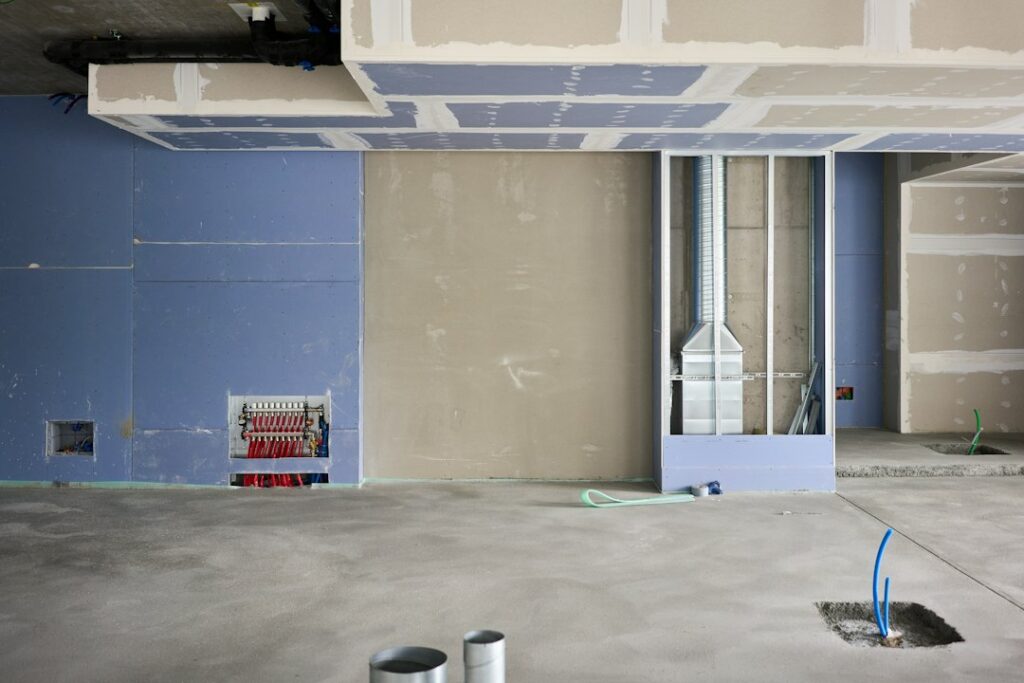
Volatile organic compounds, commonly called VOCs, are chemicals that evaporate into the air at room temperature. They are found in many paints, adhesives, sealants, flooring products, cabinets, insulation materials, and composite wood products.
For residents of Edinburg, TX, understanding VOCs can help with product selection, indoor air quality, and safe planning during construction or remodeling. VOCs are not automatically dangerous in every situation, but the type of chemical, the amount released, the length of exposure, and the amount of ventilation all matter.
What are VOCs?
VOCs are carbon-based chemicals that can become airborne under normal indoor conditions. Some occur naturally, while others are added to building materials to improve flexibility, durability, drying time, water resistance, or adhesion.
A newly installed material may release VOCs more quickly than an older material. This process is often called off-gassing. The strongest odors may fade within hours or days, but odor is not a complete measure of safety. Some VOCs have noticeable smells, while others may be difficult to detect by smell.
Common examples of building-related VOC sources include:
- Paints, primers, stains, and coatings
- Construction adhesives and flooring glue
- Caulks, sealants, and polyurethane finishes
- Vinyl flooring and some resilient flooring products
- Carpet backing and carpet adhesives
- Pressed-wood products such as particleboard and medium-density fiberboard
- Cabinet finishes and laminated materials
- Solvent-based cleaners and surface treatments
VOCs can also come from household products that are not permanent parts of a building, including air fresheners, pesticides, fuels, and hobby supplies.
Why can VOCs matter indoors?
VOCs matter because indoor concentrations can become higher than outdoor concentrations, especially in recently built, remodeled, or tightly sealed spaces. Short-term exposure may cause eye, nose, or throat irritation, headaches, dizziness, or nausea in sensitive individuals. Some people notice symptoms sooner than others.
Long-term concerns depend on the specific chemical and exposure level. Certain VOCs are associated with more serious health effects, which is why material safety information and product emissions testing can be useful when selecting building products.
Young children, older adults, and people with asthma, allergies, chemical sensitivities, or other respiratory conditions may be more affected by poor indoor air quality. A strong odor does not prove that a material is unsafe, but persistent irritation or breathing discomfort should not be ignored.
Which building materials release the most VOCs?
Products that contain solvents or resins often release more VOCs during installation and early curing. Wet-applied materials, such as paint, adhesive, caulk, and sealant, may produce higher emissions while they dry.
Pressed-wood products deserve particular attention because some are manufactured with adhesives that can release formaldehyde, a VOC commonly associated with composite wood. Emissions can vary based on the product type, manufacturing method, age, temperature, and humidity.
Flooring materials may also contribute to indoor emissions. The flooring itself may not be the only source; the adhesive, underlayment, seam sealer, and cleaning products used during installation can all affect indoor air quality.
In warm, humid conditions, materials may release chemicals more quickly. Edinburg’s hot seasons can therefore affect how fast newly applied finishes and adhesives cure. Heat does not automatically make a product unsafe, but it can increase the importance of following the manufacturer’s ventilation and reentry instructions.
Does “low-VOC” mean a product is harmless?
No. “Low-VOC” means the product contains or emits lower amounts of certain regulated compounds compared with a conventional product, depending on the standard used. It does not mean the product has no emissions or that every ingredient is harmless.
A low-VOC coating may still contain other chemicals that cause irritation for sensitive occupants. Some products may also release VOCs from colorants, preservatives, curing agents, or additives.
“No-VOC” labels require careful interpretation as well. A product may meet a specific testing or regulatory threshold while still containing small amounts of volatile ingredients. Once tint, additives, or other components are added, the final mixture may have different emissions than the base product.
For a more complete comparison, look for:
- A clearly stated VOC content or emissions rating
- Product data sheets and safety data sheets
- Formaldehyde information for composite wood
- Independent emissions certifications when available
- Installation, ventilation, and curing instructions
The label is a starting point, not a complete health assessment.
How can VOC exposure be reduced during a project?

The most effective approach is to reduce the amount of high-emitting material used and provide adequate ventilation during installation and curing.
Practical steps include:
- Select water-based products when they meet the project’s performance needs.
- Use only the amount of adhesive, sealant, or coating required.
- Keep containers closed when materials are not being applied.
- Provide outdoor air during and after installation when weather and building conditions allow.
- Use fans to move air outdoors rather than simply circulating air within the room.
- Follow the product’s stated drying and reentry time.
- Avoid sleeping or spending long periods in a freshly finished room until the product has cured and the space has been ventilated.
- Store solvents, paints, and other chemicals outside occupied living areas.
- Do not mix products unless the instructions specifically allow it.
Ventilation should not direct contaminated air into bedrooms, neighboring rooms, attics, or enclosed wall spaces. In hot weather, opening windows may add heat and moisture, so ventilation should be planned with the building’s cooling system and moisture control in mind.
How do VOCs relate to new construction and remodeling?
New construction and remodeling can introduce several VOC sources at the same time. A project may involve flooring, cabinets, paint, insulation, caulk, adhesives, and cleaning products. Even if each item releases a modest amount, combined emissions can be noticeable in a closed home.
A phased approach can help. Materials may be allowed to cure before occupants move into a renovated area, and higher-emitting work can be separated from occupied rooms when possible. Cabinets, flooring, and other manufactured components may also be stored in a ventilated area before installation, provided the manufacturer permits it and the materials are protected from moisture and damage.
For homes with central air conditioning, changing the filter as recommended can help control particles, but ordinary filters do not remove every VOC. Filtration and ventilation address different indoor-air-quality concerns.
Are VOCs only a concern for paint?
No. Paint is a familiar source, but VOCs can come from many less obvious materials. Flooring adhesive, cabinet interiors, caulk, spray foam, composite wood, laminate layers, and specialty coatings may all contribute.
A room can have little paint odor and still contain emissions from new flooring or cabinetry. Conversely, a strong smell may come from a temporary source that decreases quickly after curing. Looking at the entire project is more useful than focusing on one product category.
What should residents check before buying a material?
Before purchasing, review the technical information rather than relying only on color, odor, or a front-label claim. Confirm that the product is suitable for the intended surface and climate, and check whether it requires special ventilation or temperature conditions.
For composite wood, ask whether the product has reduced-formaldehyde emissions. For flooring and adhesives, review the emissions information for the complete installation system, not only the visible surface. For paints and coatings, check the recommended curing time and whether the product is designed for interior use.
If occupants experience persistent headaches, breathing difficulty, unusual irritation, or other symptoms after materials are installed, leave the affected area if necessary and seek medical guidance. If a strong chemical odor continues well beyond the stated curing period, the material instructions and building ventilation should be reviewed before normal occupancy resumes.
Understanding VOCs does not require avoiding every synthetic building material. It means considering emissions, installation conditions, ventilation, occupant sensitivity, and the complete combination of products used in a home.