

 See My Latest Article on HelloNation
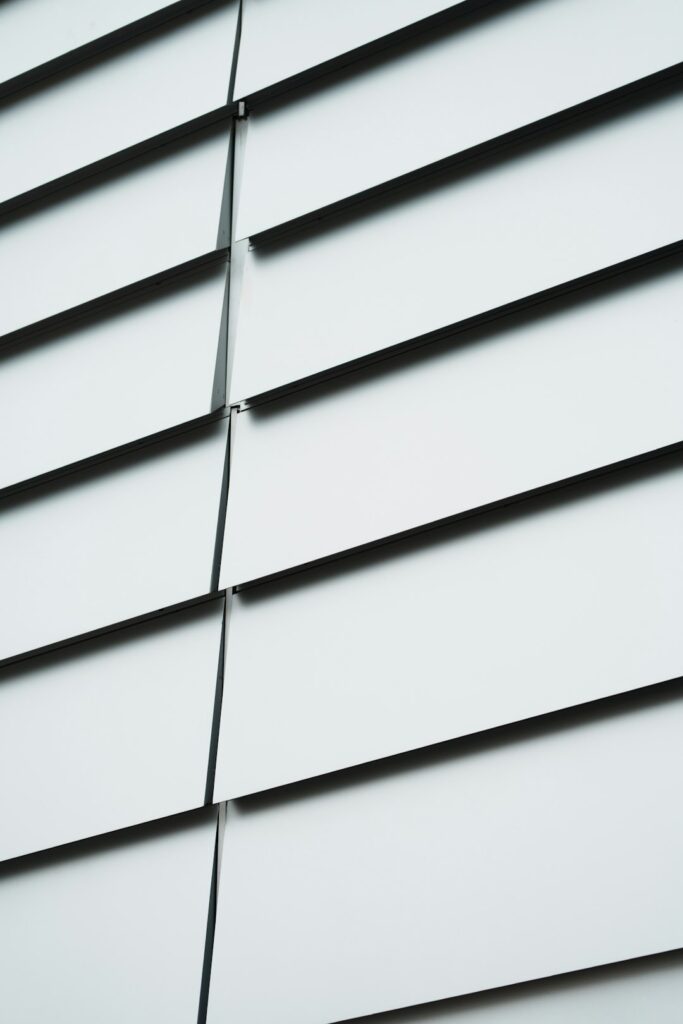
What Makes Exterior Cladding Low-Maintenance in Edinburg, TX?
Low-maintenance exterior cladding is built to resist weathering, fading, and damage with minimal intervention from homeowners. For Edinburg, the main challenges are intense sunlight, high temperatures, periods of heavy rain, and occasional high winds. Materials that do not require frequent repainting, sealing, or repair tend to be preferred by residents who want to avoid time-consuming upkeep.
Common qualities of low-upkeep cladding include:
- Resistance to UV damage and fading
- Protection against moisture intrusion
- Minimal need for touch-up painting or staining
- Durability in the face of dust and windborne debris
Which Cladding Materials Require the Least Attention?
Fiber cement, vinyl, metal siding, and engineered wood products are the most discussed low-maintenance options among local homeowners. Each material has unique strengths and occasional drawbacks in the local climate.
Fiber Cement
Fiber cement boards and panels are crafted from a blend of cement, sand, and cellulose fibers. This material is popular for homeowners seeking the look of painted wood without the associated maintenance.
- Resists rot, pests, and fire
- Maintains color longer than most painted wood siding
- Usually requires repainting only every 10-15 years
- Handles Edinburg's heat and humidity better than many wood-based claddings
Vinyl Siding
Vinyl is sought after for its affordability and quick cleaning. The color runs through the material, so scratches or dings are less noticeable than with painted surfaces.
- Generally only needs an annual rinse with a hose
- Won’t peel or blister under sun exposure
- Does not require painting or sealing
- Can fade over many years, especially on west- or south-facing exposures
Metal Siding (Steel and Aluminum)
Metal sidings are increasing in local popularity, particularly for contemporary homes. Pre-finished coatings can last for decades and repel insects and moisture.
- Not prone to warping, rot, or termite issues
- Helps reflect sunlight, sometimes keeping walls cooler
- Requires little more than occasional washing to remove dust or pollen
- Can dent if struck by large hail or debris, but rarely needs structural repairs
Engineered Wood
Engineered wood is distinct from traditional lumber. It uses wood fibers and resins treated to withstand moisture and decay.
- Combines some appearance benefits of wood with greater resilience
- Factory-applied finishes may last over a decade before renewal
- More resistant to fungal growth compared to standard wood
- Still requires periodic inspection for scratches or exposed edges
Are There Any Misconceptions About "No-Maintenance" Exteriors?
Many believe that exterior cladding can be entirely "maintenance free." In reality, all exterior materials need occasional care:
- Regular cleaning improves appearance and longevity for every cladding type
- Caulking at joints and around windows may require renewal every 5-10 years
- Impact damage from storms, especially hail or flying debris, can affect even the most resilient siding options
It's helpful to budget time for visual inspections at least once per year, even for the lowest-maintenance products.
How Does Edinburg’s Climate Influence Cladding Choices?
Local weather plays a major role in how cladding materials perform over time. Edinburg experiences:

- High average temperatures for many months of the year
- Intense sunlight that accelerates fading and stresses finishes
- Intermittent heavy rain and humidity, increasing the risk of moisture issues
Siding materials must be selected and installed with these conditions in mind. Products that resist heat distortion, color loss, and moisture intrusion are especially valuable. Light-reflective finishes or colors may help reduce exterior heat buildup.
Which Options Work Best for Different Home Styles in Edinburg?
Not all materials fit every architectural style or neighborhood preference. For example:
- Fiber cement and engineered wood are often chosen for homes designed to look traditional or historic since they can mimic wood lap siding or shingles.
- Vinyl siding is common in newer neighborhoods where homeowners value quick installation and budget-friendly choices.
- Metal panels have gained fans in modern or mid-century inspired homes, providing clean lines and industrial appeal.
Practicality sometimes suggests mixing materials — such as stone accents with fiber cement boards elsewhere — for both durability and aesthetic variety.
What Upkeep Tasks Are Actually Needed Over Time?
Even the most resilient cladding benefits from some care:
- Hose down vinyl and metal to clear dust, pollen, and bird droppings each spring or after storms
- Check for loose pieces or shifted panels following high wind events
- Ensure nearby trees and shrubs don’t trap moisture against siding
- Inspect caulking and joint seals every few years, especially around windows and doors
Painting or refinishing schedules vary—fiber cement and engineered wood may go a decade or longer before they need cosmetic renewal, depending on the type of finish installed.
Are There Local Building Codes or HOA Requirements to Consider?
Some neighborhoods or homeowners associations in the area do enforce requirements regarding exterior appearance, material types, or color choices. It’s important for residents to:
- Confirm allowable materials before making changes, especially in historic or managed developments
- Check that chosen siding options meet energy code and wind uplift standards
- Follow best practices for installation to prevent rainwater intrusion and meet warranty conditions
When in doubt, local building officials or HOA documents can clarify permitted materials or required looks.
Practical Tips for Edinburg Homeowners Considering a Change
- Look for ColorPlus or other UV-resistant finishes to extend the life of color on siding
- Choose lighter shades if reflection and heat reduction are priorities
- Ask about wind and impact resistance ratings for products — especially in areas exposed to storms
- Request information about manufacturer warranties for peace of mind
Selecting an exterior that fits the region’s unique climate and household needs can save time and stress for years ahead.