

 See My Latest Article on HelloNation
What Does Your Home’s Carbon Footprint Really Mean?
A home’s carbon footprint is the total amount of greenhouse gases produced by household energy use, daily living, and the materials used in building and maintaining the structure. This includes energy for heating and cooling, as well as emissions associated with producing and transporting construction materials. In Edinburg, TX, the subtropical climate, with hot summers and mild winters, adds unique considerations for reducing emissions through material choices—especially when keeping energy efficiency in mind.
Which Building Materials Lower Carbon Emissions Most?
Using materials with lower embodied carbon is a key way for local residents to make a difference. Embodied carbon refers to the emissions created during the extraction, manufacture, and transportation of building products. Choosing wisely can minimize a home’s environmental impact without sacrificing comfort or resilience.
Materials with a lower footprint include:
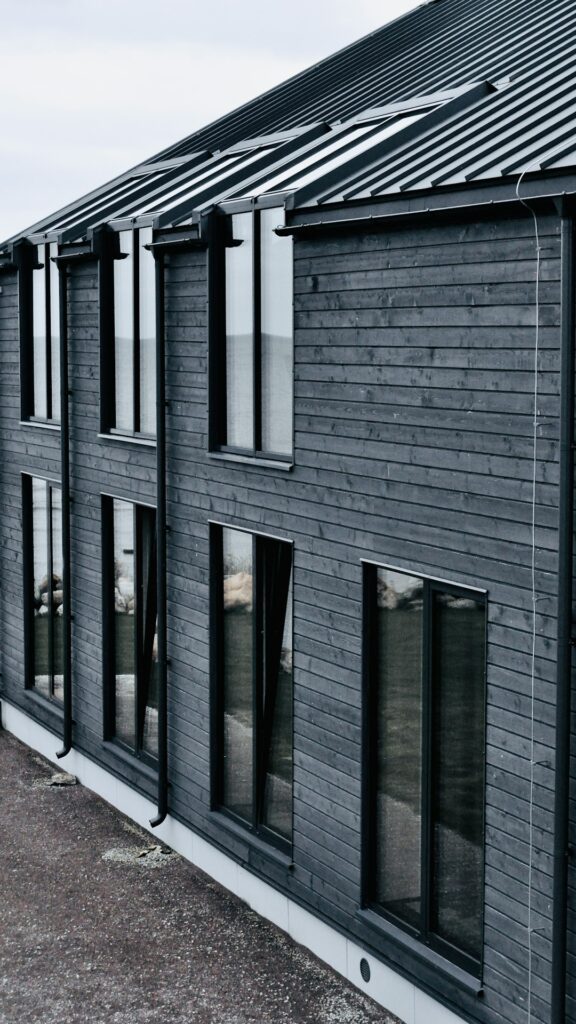
- Sustainably harvested wood: Wood sequesters carbon and requires less energy to produce than steel or concrete, making it a greener choice for framing, decking, and finishes. Look for wood certified by reputable environmental standards.
- Recycled-content insulation: Insulation made from recycled denim, cellulose (from plant fibers or recycled paper), or mineral wool can reduce both emissions and energy required for temperature control—a significant consideration in Edinburg’s hot summers.
- Locally sourced brick or stone: Regionally available materials reduce transportation emissions and often perform well with local weather patterns.
Concrete and steel are much higher in embodied carbon, but if they are needed for durability or safety, seek out new mixes that incorporate fly ash, slag, or other industrial byproducts to lower their impact.
How Does Insulation Choice Affect Energy Use at Home?
Better insulation directly translates to less energy needed for air conditioning—a major concern in Edinburg. Thicker, more efficient insulation slows down heat transfer, keeping interiors cooler during the long hot season and reducing the frequency and runtime of HVAC systems.
Examples of insulation materials with a low carbon profile that perform well in the local climate:
- Blown-in cellulose, often made from recycled paper
- Cotton (denim) batts, which are effective in attics and walls
- Mineral wool, which also offers fire and mold resistance
Many homes in the region are under-insulated by modern standards. Upgrading attic and wall insulation can lead to significant reductions in electricity consumption, which in Texas is often generated from fossil fuels.
Are There Renewable or Reused Material Options for Edinburg Homes?
Yes—materials that are recycled, reclaimed, or rapidly renewable can significantly reduce the emissions from home building or remodeling projects. Some strategies to consider:
- Reclaimed wood from old barns, fences, or shipping pallets for floors, paneling, and trim
- Recycled metal for roofing, which is both durable and reflective, helping to keep homes cooler under intense sun
- Bamboo or cork for flooring—both grow relatively quickly and regenerate after harvest
These options lessen demand for new extraction and manufacturing, while also keeping building waste out of landfills.
What Are Common Misconceptions About “Green” Materials in This Area?
Some residents assume that any product marketed as “eco-friendly” is automatically better for the environment, but labels can be misleading. Genuine emission reductions depend on the whole lifecycle of the material, not just whether it’s labeled “green.” Key points to remember:
- Locally appropriate materials are not always the least expensive upfront, but they may save money over time through durability and lower energy bills
- “Natural” does not always mean “low-carbon”—for example, stone can be natural but very energy-intensive to quarry and transport
- High-performance synthetic materials, like certain insulations, sometimes outperform “traditional” options in energy savings, offsetting their initial production-related emissions

How Can Residents Find Material Information Relevant to the Edinburg Area?
Understanding local climate, regulations, and building practices is essential for making the best choices. Area households often do research through:
- Municipal building codes, which may encourage or mandate certain energy efficiency standards
- Local extension offices and university resources, which sometimes provide guidance specific to the climate conditions in Edinburg
- Speaking with building supply specialists who are familiar with the area’s weather patterns and common residential needs
Checking for third-party certifications (such as Environmental Product Declarations or local efficiency ratings) can also help ensure the materials selected offer genuine environmental benefits.
What Upgrades Matter Most for Reducing Emissions Over Time?
For existing homes in Edinburg, the biggest impact often comes from upgrades that boost efficiency:
- Improving or replacing insulation, particularly in attics and exterior walls
- Installing energy-efficient windows or shade structures to block intense sunlight
- Opting for roofing materials with a high solar reflectance, which stay cooler and lower air conditioning demand
When undertaking renovations or building new structures, prioritizing materials with recycled content or lower embodied carbon multiplies long-term benefits. These steps create a cumulative effect—lowering energy bills, improving comfort, and reducing the strain on the city’s power grid.