

 See My Latest Article on HelloNation
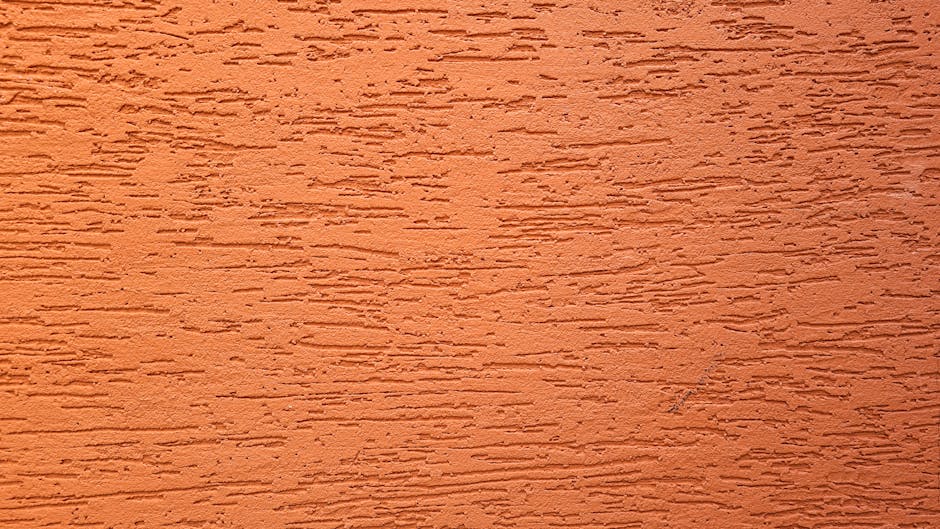
What Types of Interior Wall Finishes Are Common in Edinburg, TX?
Homes in Edinburg, TX typically feature finishes that balance durability, affordability, and climate suitability. The most common finishes include drywall with paint, textured surfaces, and, occasionally, tile or natural stone for accent spaces. These finishes are chosen not just for aesthetics but also for their ability to handle the local subtropical climate and fluctuating humidity.
For most rooms, painted drywall remains the staple, providing a clean look that can be easily updated. In higher-moisture places like bathrooms or kitchens, tile is a frequent choice for its water resistance. Increasingly, homeowners are seeking new ways to create visual interest through textures and materials tailored to local architectural styles.
Which Wall Finishes Are Gaining Popularity in Edinburg?
Contemporary trends in Edinburg show a move toward textured walls, natural-inspired finishes, and easy-maintenance surfaces. Frequently discussed options include:
- Lightly textured or knockdown finishes, offering a subtle but durable look that hides minor imperfections.
- Accent walls using shiplap, decorative paneling, or reclaimed wood for added warmth or rustic character.
- Sustainable materials, like low-VOC paints and recycled-content wall panels, as interest grows in improving indoor air quality and environmental responsibility.
- Faux plaster or Venetian-style finishes, which can bring a touch of southwestern charm to interiors without the cost of real plasterwork.
Many area households are drawn to the tactile quality of these finishes, as they can add depth and comfort to rooms that might otherwise feel flat or uninspired.
How Does the Local Climate Influence Wall Finish Choices?
The climate in Edinburg directly shapes which interior finishes work best. Warm, humid conditions can affect how materials age and perform over time. For instance, high-gloss paints resist staining and are easier to wipe down, making them popular in high-traffic homes or spaces prone to moisture.
Textured finishes are especially valued because:
- They conceal small blemishes that might result from settling or humidity-related expansion and contraction.
- Materials like tile are chosen in certain spaces precisely for their mold and moisture resistance.
It’s not unusual for local residents to avoid heavy wallpaper or natural plaster in rooms vulnerable to dampness, as these can be harder to maintain in the local environment.
Are There Styles that Suit Modern and Traditional Homes Alike?
Transitional design is a practical approach in Edinburg’s mix of older and newer homes. Neutral paint colors with slight texture or a matte sheen can bridge contemporary and traditional looks. Simple board-and-batten paneling or minimalist wood accents deliver updated style while still fitting comfortably within more classic architectural features.
Practical examples include:
- Smooth walls with a single color for an understated, modern vibe.
- Adding a textured plaster finish on a single living room wall to introduce subtle drama without overwhelming the space.
- Using tile wainscoting in kitchens or bathrooms—a nod to traditional craftsmanship, but with updated materials and motifs.
What Should Local Residents Consider for Long-Term Maintenance?
Area homeowners often ask about ease of cleaning and how well a finish hides everyday wear. Consider these points:
- Flat and matte paints help hide light scuffs, but may not resist stains as well as eggshell or satin finishes.
- Knockdown texture conceals irregularities but can collect dust or require touch-ups after repairs.
- Durable semi-gloss or scrubbable paints are recommended for spaces frequented by young children or pets.
- Accent treatments like wood or faux-panel walls need regular dusting and may require occasional resealing, particularly if windows are left open during humid months.
Understanding the connection between finish choice and expected maintenance frequency can help prevent common pitfalls, such as accidentally choosing a high-maintenance texture for a busy hallway.
Are Eco-Friendly or Healthy Options Available for Wall Finishes?
Growing attention to indoor air quality and sustainability has led to a wider range of materials. Options now found in Edinburg homes include:
- Low- or zero-VOC paints and primers to minimize indoor air pollution.
- Recycled-content gypsum board and wall panels.
- Natural clay or limewash finishes, which bring a soft, breathable quality, though these are less common and best used in well-ventilated areas.
Using these eco-friendlier products often starts with painting, but local residents researching sustainable living are also exploring ways to incorporate reclaimed wood or fully renewable paneling options into their design plans.
Can Wall Finishes Help Insulate Against Heat or Noise?
While not intended as a primary barrier, some finishes can slightly improve indoor comfort. Texture and denser surfaces can mute sound in busy homes. For example:
- Acoustic wall panels, covered in fabric or specialized foam, can be integrated into home offices or media rooms.
- Installing tile or stone along exterior-facing walls in sun-exposed rooms helps regulate some heat gain, though their effect is modest compared to insulation or blocking direct sunlight.
Residents should note that while finishes offer some acoustic and thermal benefits, larger improvements come from proper insulation, window treatment, and mindful room design.
What Are Common Mistakes to Avoid When Updating Wall Finishes?
A few misconceptions occasionally lead to disappointing results:
- Choosing bold, dark colors for small rooms, which can make spaces feel more confined under the bright local sun.
- Over-texturing, which may seem trendy but is hard to patch seamlessly if repairs are needed later.
- Using heavy wallpaper or dense paneling in bathrooms without adequate moisture control.
- Overlooking how lighting—natural and artificial—affects the perceived color and texture of a finished wall.
Testing paint samples in both daylight and evening conditions is a simple but often skipped step that prevents regret after the project is complete.
How Do Regulations or Homeowner Guidelines Affect Wall Finish Choices?
Most interior wall finishing work is left to homeowner preference, but some properties—such as homes in planned developments or those using water-resistant materials in wet locations—may have specific guidelines or recommended practices. Residents are encouraged to check their community’s regulations before making changes, especially when working in multi-family buildings or modifying shared-wall surfaces.
Proactive planning and understanding how local factors, material options, and long-term care needs intersect are essential for choosing wall finishes that enhance comfort and personal style in Edinburg homes.