

 See My Latest Article on HelloNation
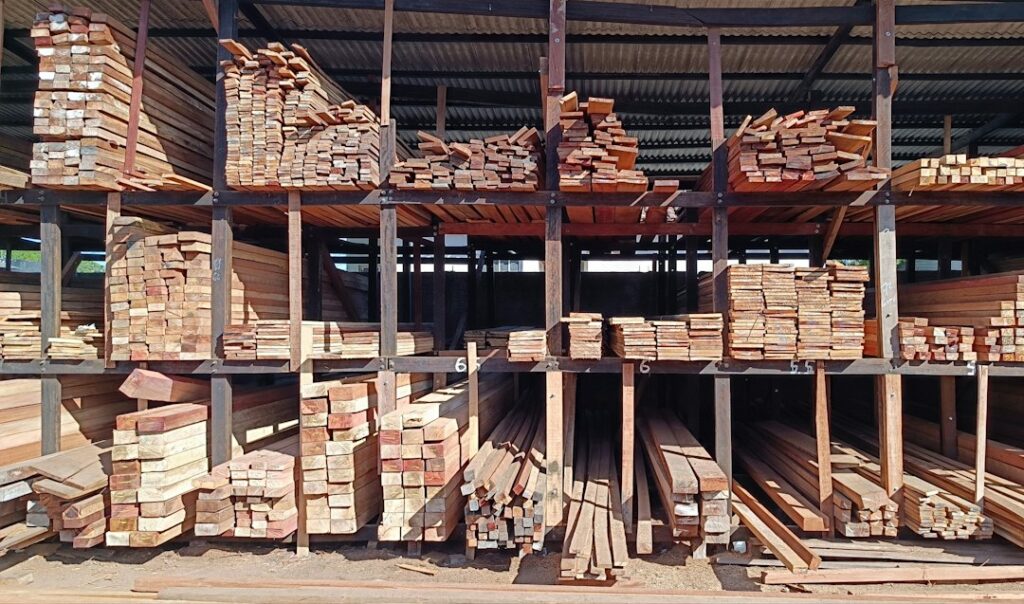
Buying building materials can look straightforward until a project runs into missing items, incompatible products, damaged supplies, or materials that do not perform well in local conditions. A careful purchasing process helps control costs, reduce delays, and improve the finished result.
What should be planned before buying materials?
The most common purchasing mistake is shopping before the project has been clearly defined. Materials should be selected only after the work’s size, purpose, construction method, and required finish are understood.
Before making a purchase, clarify:
- What is being built, repaired, replaced, or remodeled?
- What measurements are confirmed?
- Which materials are needed for structure, weather protection, appearance, and finishing?
- Which tools, fasteners, adhesives, sealants, or safety supplies are also required?
- Are permits, inspections, or code requirements involved?
- What sequence will the work follow?
A written material list is more reliable than memory. Separate the list into categories such as framing, roofing, concrete, insulation, electrical, plumbing, hardware, and finish materials. This makes it easier to identify missing accessories before work begins.
For complicated structural, electrical, plumbing, or hazardous work, plans and local requirements should be reviewed before materials are purchased. Buying the wrong product first can create expensive changes later.
How can measurements and quantities be estimated accurately?
Materials should be measured from the actual project rather than guessed from rough visual estimates. Even small errors can become costly when they affect flooring, roofing, concrete, wall panels, or other materials sold in fixed sizes.
Measure each area separately and record length, width, height, thickness, openings, and unusual angles. For rectangular spaces, calculate area by multiplying length by width. For irregular shapes, divide the space into smaller sections and calculate each one.
Allowances for waste are necessary, but excessive overbuying ties up money and creates storage problems. A modest extra amount may cover cuts, breakage, pattern matching, or future repairs, but the correct allowance depends on the material and installation method.
Do not confuse square feet with linear feet. Wall trim, framing members, pipe, wire, and molding are often purchased by length, while panels, flooring, insulation, and roofing materials may be sold by area or by package coverage.
Check package labels carefully. A box may list the total coverage, the number of pieces, or both. For concrete and other bulk materials, volume calculations may be needed instead of simple area measurements.
Which material specifications matter most?
Appearance alone is not enough. A product should match the project’s intended use, exposure, load, installation method, and maintenance expectations.
Review specifications such as:
- Dimensions and thickness
- Strength or load rating
- Moisture resistance
- Heat performance
- Compatibility with adjoining materials
- Indoor or outdoor suitability
- Required fasteners, primers, or adhesives
- Warranty limitations and maintenance needs
A material designed for interior use may fail outdoors, especially under strong sunlight, heavy rain, humidity, or repeated temperature changes. In Edinburg, TX, heat, intense sun, seasonal storms, and high humidity can affect wood, coatings, sealants, roofing products, insulation, and outdoor finishes.
Pressure-treated wood is not automatically suitable for every location. Treatment level, ground contact, moisture exposure, and fastener compatibility all matter. Likewise, a sealant labeled for general use may not be appropriate for a roof, expansion joint, wet area, or exterior opening.
If two products will be joined, confirm that they are compatible. Examples include mortar and masonry units, adhesives and flooring, flashing and roofing materials, or fasteners and treated lumber.
Why is the least expensive option not always the best value?
A low purchase price can be misleading if a product requires more labor, fails sooner, creates more waste, or needs special accessories. Value should be judged by total project cost rather than the shelf price alone.
Compare:
- Coverage per package
- Expected service life
- Installation difficulty
- Required tools and accessories
- Maintenance needs
- Replacement difficulty
- Risk of damage during storage or installation
A cheaper material may also have different dimensions from the product it replaces. Substituting a thinner panel, smaller fastener, lower-rated pipe, or nonmatching finish can affect performance and appearance.
Avoid comparing products solely by brand reputation or appearance. Read the actual specifications and verify that the product meets the project’s requirements. The most suitable choice is usually the one that balances performance, durability, availability, and total cost.
What should be checked before materials leave the store?
Materials should be inspected before they are loaded, not after they have been installed. Damage that is found early is easier to address.

Look for:
- Cracked, warped, split, bent, or rusted pieces
- Water stains, swollen edges, or mold-like growth
- Chipped masonry, broken corners, or damaged packaging
- Dented containers or missing labels
- Incorrect dimensions, color, grade, or quantity
- Different production lots that may not match in shade or texture
For lumber, inspect straightness, excessive twisting, large defects, and moisture-related problems. For sheet goods, check edges and corners. For tile, flooring, paint, and other finish materials, confirm that boxes or containers share the same product information when a uniform appearance is required.
Keep receipts, product labels, lot numbers, and installation instructions. These details are useful if a product needs to be matched later or if instructions are needed during installation.
How should building materials be stored in the local climate?
Storage can damage materials before construction begins. Materials should be protected from direct sun, standing water, ground moisture, and unnecessary exposure to wind.
Lumber should be kept supported, covered, and ventilated rather than sealed tightly in plastic while damp. Cement, drywall, insulation, flooring, and other moisture-sensitive products need a dry, elevated location. Paints, adhesives, and sealants should be stored within the temperature range listed on their labels.
In the Rio Grande Valley climate, heat can soften, expand, or degrade certain products, while sudden rain can affect materials left outdoors. Do not assume that a covered truck bed, open patio, or unprotected slab provides adequate storage.
Stack materials safely and avoid placing heavy items on products that can bend or crush. Store long pieces with enough support to reduce warping. Keep materials away from areas where irrigation, roof runoff, or plumbing leaks could reach them.
What common substitutions create problems?
Substitution is often necessary when a product is unavailable, but a replacement should not be selected based only on similar appearance or size.
Before substituting, compare:
- Intended use
- Dimensions and thickness
- Strength and rating
- Moisture and heat resistance
- Compatibility with existing materials
- Installation requirements
- Code or manufacturer limitations
For example, an exterior-rated panel may not be interchangeable with an interior panel, and a general-purpose fastener may not be suitable for treated wood or masonry. A replacement product may also require different spacing, cutting methods, underlayment, primer, or sealant.
If the material affects structural stability, fire resistance, electrical safety, plumbing performance, or weatherproofing, substitutions deserve extra caution. In those situations, following approved plans, product instructions, and applicable requirements is more important than finding the fastest replacement.
How can waste and future repair problems be reduced?
Buy materials with the installation pattern in mind. Plan cuts so usable sections are not discarded unnecessarily, and avoid mixing products with different colors, thicknesses, or profiles in the same visible area.
Keep a small, labeled amount of leftover material when practical. A matching piece of flooring, siding, tile, paint, roofing material, or trim can be useful for future repairs. Store it in a dry place with the product name and installation details.
The safest purchasing habit is to pause before checkout and verify the list, measurements, specifications, accessories, condition, and storage plan. That short review often prevents the most expensive mistakes.