

 See My Latest Article on HelloNation
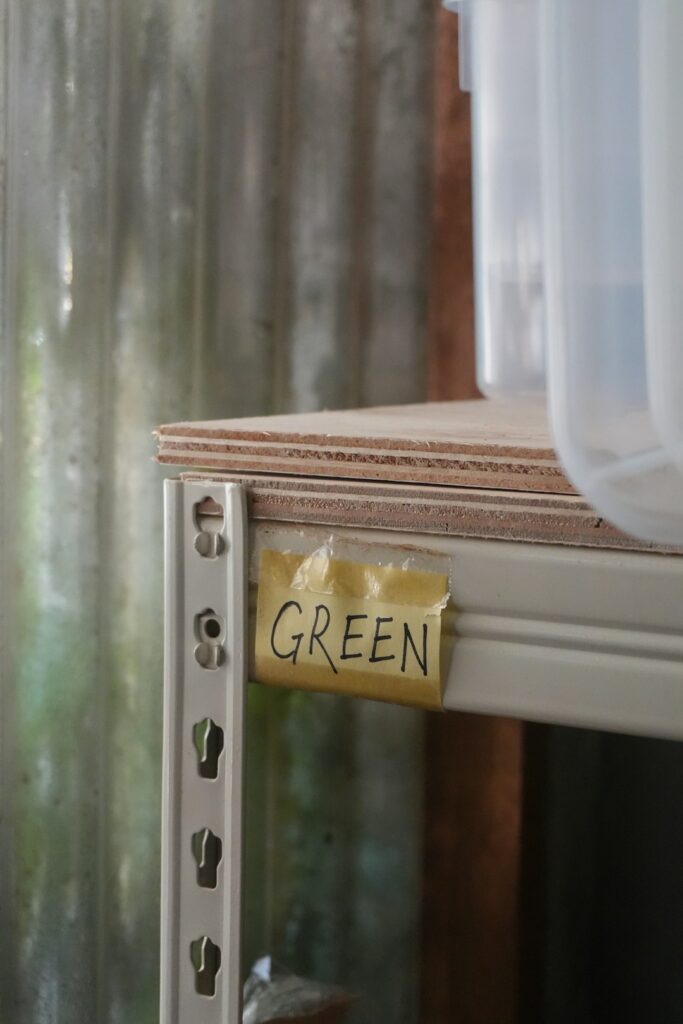
Leftover lumber, drywall, tile, fasteners, paint, and other building supplies can remain useful for future repairs if they are stored correctly. In Edinburg, TX, heat, humidity, dust, sudden rain, and seasonal storms make moisture control and ventilation especially important.
What should be done before storing leftover materials?
Clean, sort, and inspect materials before putting them away. Storage problems often begin when supplies are placed in a pile while still wet, dusty, or mixed with damaged pieces.
Start by:
- Removing mud, sawdust, loose packaging, and standing water
- Separating usable materials from warped, cracked, rusted, or contaminated items
- Grouping supplies by type and likely future use
- Recording quantities, sizes, colors, product names, and purchase dates
- Checking labels for storage temperatures, flammability warnings, or expiration dates
A simple inventory can prevent unnecessary purchases later. Mark partial boxes and opened containers clearly, especially when several materials look similar.
Where is the safest place to store building supplies?
The best storage area is dry, shaded, elevated above the floor, and protected from direct weather. A garage, enclosed storage room, or covered utility area is usually more suitable than an uncovered patio or open yard.
Keep materials away from:
- Roof leaks, plumbing lines, water heaters, and exterior doors
- Direct sunlight and hot metal surfaces
- Areas prone to flooding or pooling water
- Chemicals, fuel, pesticides, and household cleaners
- Children, pets, and common walkways
In the local climate, an enclosed space can become extremely hot. Heat-sensitive products should not be left in a sealed vehicle, unventilated shed, or area that receives strong afternoon sun. Storage should protect supplies from moisture without trapping excessive heat.
Use pallets, shelving, or sturdy blocks to lift materials several inches above concrete floors. Concrete can transfer moisture to wood, cardboard, drywall, and paper-backed products even when the floor appears dry.
How should lumber and plywood be stored?
Lumber should be kept flat, supported, and separated from damp surfaces. Place boards on evenly spaced supports so they do not sag. Long pieces need enough support along their length to reduce bending.
Plywood, particleboard, and similar sheet goods should be stored flat on a level surface with support underneath. Avoid leaning large sheets at a steep angle for long periods because they may bow or develop uneven edges.
Allow air to circulate around the stack, but do not leave wood exposed to blowing rain or direct sunlight. Covering lumber with a waterproof tarp can help outdoors temporarily, but the tarp should not be wrapped tightly around the stack. Trapped humidity can encourage mold and swelling.
Before using stored wood, inspect it for:
- Warping, splitting, or soft spots
- Insect damage
- Mold or mildew
- Rust stains from nearby metal
- Swelling around edges or fastener holes
Wood that has changed moisture content may need time to adjust to indoor conditions before installation, especially for trim, cabinets, flooring, or other finish work.
How should drywall, cement board, and insulation be protected?
Drywall must stay completely dry. Store sheets flat on a raised platform, protected from leaks and floor moisture. Avoid storing drywall where vehicles, tools, or other items may strike the edges.
If drywall becomes damp, look for swelling, crumbling, staining, or a musty odor. Materials with significant water damage should not be used simply because the surface appears dry. Hidden deterioration may affect strength and indoor air quality.
Cement board is more moisture-tolerant than drywall but still should be stored flat and protected from repeated wetting. Insulation should remain in its original packaging when possible. Keep it away from standing water, pests, sharp objects, and areas where it may be compressed.
Do not stack heavy materials on top of insulation. Compression can reduce its thickness and affect its performance.
What is the proper way to store tile, flooring, and stone?
Tile and stone should be stored on a firm, level surface that can support their weight. Keep boxes dry and avoid placing them directly on concrete. Stack cartons according to the manufacturer’s instructions, since excessive height can crush lower boxes or create a tipping hazard.
Protect flooring from direct sun and large temperature swings. Vinyl materials may soften or deform in high heat, while wood flooring can expand or contract as moisture conditions change.
Keep leftover tile from different batches labeled separately. Color and texture can vary slightly between production runs, so identifying the original batch may matter for a future repair.
Never assume a heavy stack is stable because the boxes are square. Place dense materials where they cannot fall onto people, vehicles, or doors.
How should paint, adhesives, and sealants be stored?
Liquid products need special attention. Store paint, caulk, adhesive, grout, and sealants upright in a cool, dry, well-ventilated area that is protected from freezing and extreme heat.
Keep containers tightly closed and wipe residue from the rims before replacing lids. A partially sealed container can skin over, leak, or become difficult to open.

Do not store flammable or solvent-based products near flames, pilot lights, welding equipment, electrical sparks, or excessive heat. Follow the label’s instructions for ventilation and disposal. Never combine leftover chemicals in one container, even if they appear similar.
Before reuse, check for:
- Separation that does not blend after thorough stirring
- Hardened material, lumps, or rubbery texture
- Unusual odor or color
- Bulging, leaking, or badly corroded containers
- Expired or missing labels
Paint and chemical containers should remain clearly labeled. If the contents cannot be identified safely, do not use them.
How should metal, fasteners, and tools be stored?
Keep nails, screws, brackets, wire, and other metal hardware in sealed containers or divided organizers. Store them away from damp floors and areas exposed to condensation. A small amount of moisture can lead to rust, especially in partially opened boxes.
Separate stainless, galvanized, coated, and uncoated fasteners rather than mixing them together. Identification helps prevent using the wrong fastener for an outdoor or moisture-prone application.
Clean tools before storage. Remove soil, adhesive, and concrete residue, then dry metal surfaces thoroughly. A light protective coating may help prevent rust on appropriate tools, but it should not be applied where it could contaminate finished surfaces.
What mistakes should be avoided?
Several common habits shorten the useful life of building supplies:
- Leaving materials outside uncovered
- Storing cardboard boxes directly on the floor
- Wrapping damp materials in plastic
- Stacking heavy products where they can tip
- Placing wood against a wall with no air space
- Mixing labeled and unlabeled liquids
- Ignoring minor roof leaks or condensation
- Saving damaged drywall, swollen sheet goods, or contaminated insulation
- Blocking electrical panels, exits, vents, or water shutoffs
Storage areas should be checked after heavy rain, extended humidity, and severe weather. Look for leaks, standing water, mold, pest activity, and shifted stacks.
How long can leftover building supplies be kept?
Shelf life depends on the product and storage conditions. Dry, stable materials such as properly stored tile, metal hardware, and some lumber may remain usable for years. Paints, adhesives, sealants, premixed compounds, and other liquid or chemically active products generally have a more limited useful life.
Do not judge a material only by age. Condition, labeling, contamination, moisture exposure, and the intended application matter just as much. Structural, waterproofing, electrical, or safety-related materials deserve particular caution because deterioration may not be visible.
For area households, the most reliable system is simple: keep supplies dry, elevated, labeled, shaded, and easy to inspect. A small inventory and a regular check of the storage space can preserve useful materials while preventing damaged products from being used in future repairs.