

 See My Latest Article on HelloNation
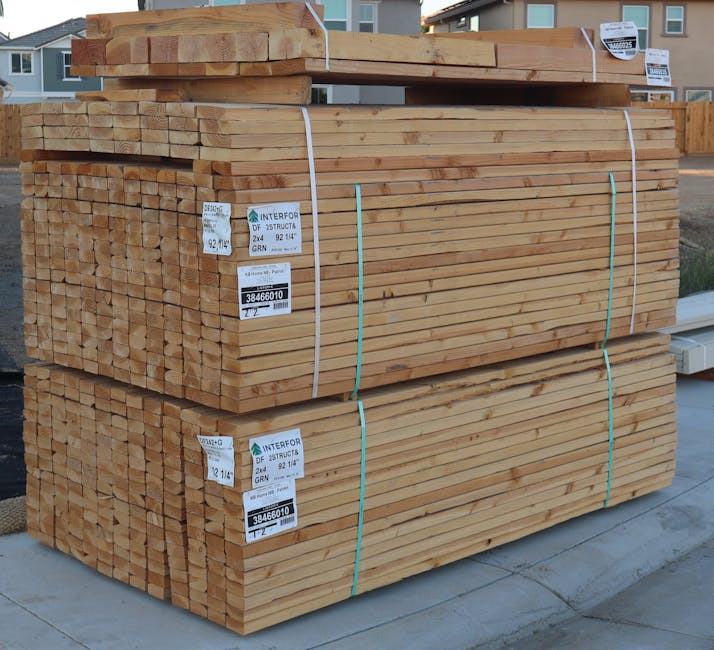
If you’re planning a construction or renovation project in Edinburg, TX, selecting quality lumber is one of the most important decisions you’ll make. Whether you’re building a backyard deck to enjoy our sunny South Texas climate, framing a new home, or crafting custom furniture, knowing how to identify quality lumber ensures your project stands the test of time. Understanding what makes good lumber is the first step toward achieving results that are both beautiful and durable.
Understanding the Basics: What is Quality Lumber?
Quality lumber, at its core, is wood that is structurally sound, visually appealing, and free from defects that could compromise its performance. The quality of lumber can affect your project’s longevity, appearance, and even safety. Here’s how locals in Edinburg can start their search for the right wood:
- Appearance: Good lumber should look clean, with minimal knots and a straight grain.
- Strength: The wood must support its intended load — especially important in hurricane-prone South Texas.
- Durability: Choose types that withstand local weather, pests, and humidity.
How to Visually Inspect Lumber
When visiting your local lumberyard in Edinburg, TX, take time for a visual inspection. Here’s what to look for:
1. Check for Straightness
Warped or bowed boards can ruin your project’s alignment. Lay the board on the ground and eyeball down its length; quality lumber should be as straight as possible. Remember, even minor bows can cause headaches in South Texas’s fluctuating humidity.
2. Look for Knots
Knots are natural, but large, loose, or numerous knots reduce strength and can become points of failure. For load-bearing structures (like deck posts or home framing), opt for lumber with minimal or tight, small knots.
3. Inspect for Splits and Cracks
Splits reduce a board’s integrity—especially at the ends. Examine both sides and ends to ensure your lumber isn’t compromised.
4. Evaluate Color and Grain
Uniform color and straight, even grain indicate well-processed wood. Irregularities may hint at internal defects or poor harvesting practices.
Know Your Local Needs: Edinburg’s Climate Matters
Edinburg residents face unique challenges due to intense sun, high humidity, and the occasional tropical storm. Here’s how to match your lumber to these local concerns:
- Pressure-Treated Wood: For outdoor projects like fencing or decking, pressure-treated lumber resists rot and insects—crucial for our damp soil and termite presence.
- Cedar and Redwood: Naturally resistant to pests and moisture, making them favorites for exposed structures.
- Hardwoods for Indoors: Hard maple, oak, or pecan can handle interior climate swings while offering strength and beauty.
Understanding Lumber Grading
Lumber in the U.S. is graded for appearance and structural use. Grades like “#1” or “Select” denote fewer defects and higher quality. In Edinburg, most home improvement stores and lumber yards clearly mark grades, so:
- For visible, decorative projects: Choose “Select” or “Clear” grade for fewer blemishes.
- For structural purposes: Look for #1 or #2 grades, prioritizing structural integrity over aesthetics.
Moisture Content: Why It Matters in South Texas
South Texas humidity can wreak havoc on wood that isn’t properly dried. Lumber should be kiln-dried for indoor projects to minimize warping. For outdoor use, some moisture is expected, but be cautious of wood that feels overly damp — it may warp as it dries in the Edinburg sun.
Spotting Defects and Common Issues
Quality lumber should be free of major defects. Some to avoid include:
- Wane: Missing wood along the edge.
- Checks and Splits: Internal cracks that can worsen over time.
- Twist and Cupping: Boards that spiral or curve across the face rather than staying flat.
Lumber Types Commonly Available in Edinburg
You’ll typically encounter these types at local yards and home centers:
- Southern Yellow Pine: Strong, affordable, and widely available—often pressure treated.
- Cedar: Premium for outdoor use due to its resistance to pests and decay.
- Redwood: Occasionally available, prized for its appearance and weather resistance.
- Hardwood Boards: For cabinetry and furniture, oak and maple are local favorites.
Tips for Edinburg DIYers and Contractors
Here are some practical, locally savvy tips:
- Buy from reputable suppliers: Local lumberyards often supply lumber acclimated to our region’s climate.
- Transport carefully: Use a covered vehicle on hot days to prevent boards from warping in transit.
- Acclimate lumber: Let your wood sit in your garage or build site for a few days before use. This allows it to adjust to local humidity and temperature.
Frequently Asked Questions About Lumber in Edinburg
What’s the best lumber for fences in Edinburg, TX?
Pressure-treated pine and cedar are top picks thanks to their durability in hot, humid environments.
How can I tell if lumber is pressure-treated?
Pressure-treated lumber has a distinct green or brown tint and, in most yards, is clearly labeled as such.
Can I use construction-grade lumber for interior projects?
You can, but higher grades (“select” or better) offer a smoother finish and fewer defects—ideal for visible surfaces.
Conclusion: Invest Time for Quality Results
Finding the right lumber isn’t just about picking the first stack you see at your Edinburg supply store. By learning how to inspect, understand local needs, and choose the correct type and grade, you’ll save money and achieve better results. Quality lumber makes all the difference — in how your project looks, how long it lasts, and how much enjoyment it brings to your South Texas home.
For more advice or local recommendations, don’t hesitate to consult with your neighborhood experts. Happy building, Edinburg!